

One of the most common questions I get from buyers who’ve been doing their research is: “Is buying property in Mexico the same everywhere?” The honest answer is no. And the differences matter a lot, especially if you’re comparing Puerto Vallarta real estate to what you’ve read about buying in inland cities. I recently spent […]
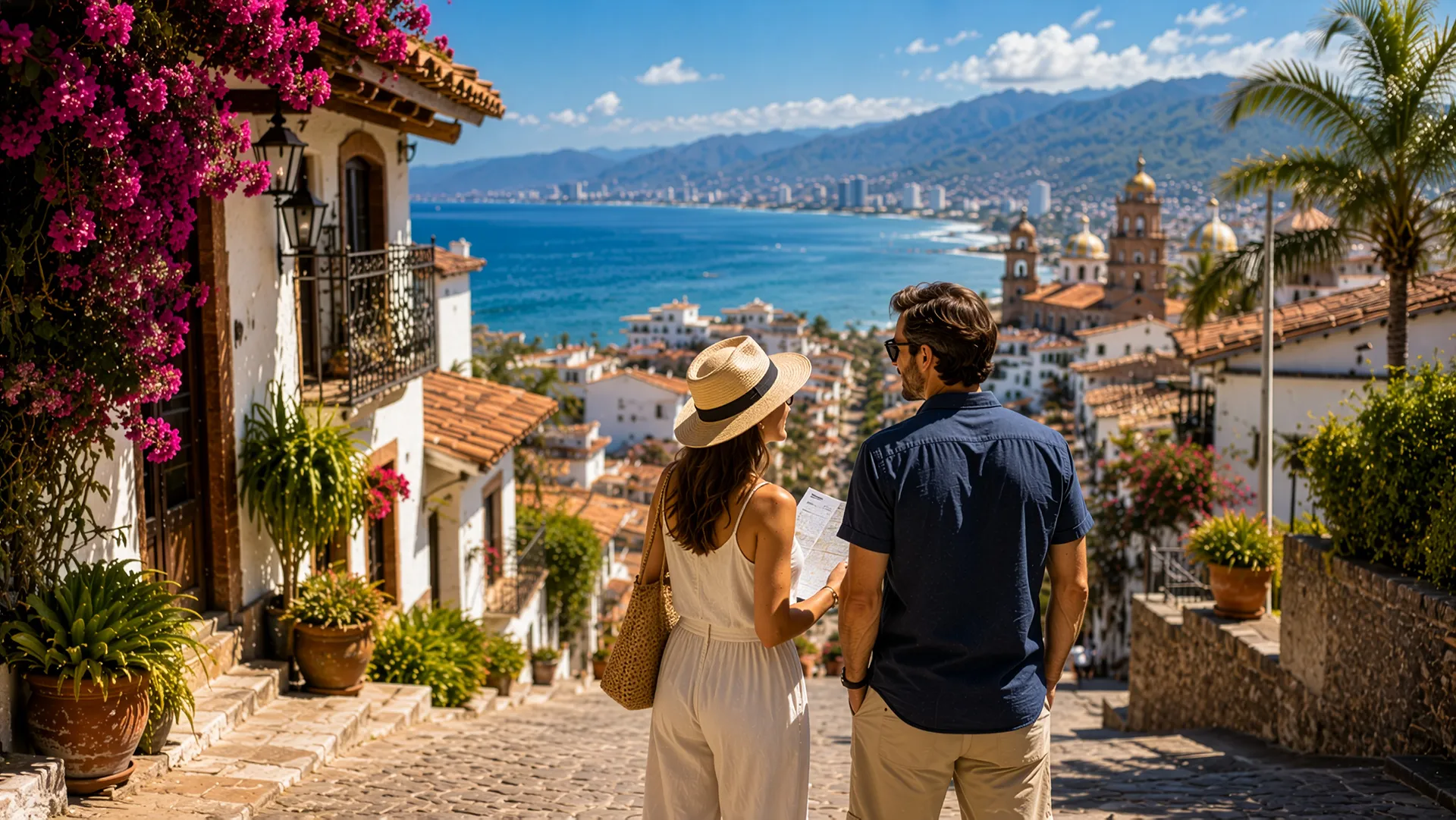
One of the most common questions I get from buyers who’ve been doing their research is: “Is buying property in Mexico the same everywhere?”
The honest answer is no. And the differences matter a lot, especially if you’re comparing Puerto Vallarta real estate to what you’ve read about buying in inland cities.
I recently spent time with an American couple who purchased a home in San Luis Potosí, a beautiful inland colonial city, after looking at 32 different homes over two months. Their experience was illuminating, because it showed exactly what’s different about buying in a coastal market like Puerto Vallarta versus the interior of Mexico.
In San Luis Potosí, this couple found most of their properties on Facebook Marketplace and through referrals from friends of friends. Agents didn’t always provide structured tours. They viewed 32 homes to find the right one. Yes, 32 homes!!!
Puerto Vallarta has a more developed real estate infrastructure. There’s an active AMPI-affiliated MLS system, and working with a professional who knows the inventory means you’re not scrolling Facebook to find your next home. That said, it’s still Mexico, relationships and local knowledge matter more here than any database.
This is the biggest structural difference. Because Puerto Vallarta sits in what Mexican law calls the restricted zone, within 50 kilometers of the coastline, foreign buyers can’t hold property title directly. Instead, you purchase through a fideicomiso, which is a bank trust.
The bank holds the title on your behalf. You retain all the rights of ownership; you can sell, rent, renovate, pass it to beneficiaries, or live in it full-time. The trust is renewable every 50 years. It’s a well-established legal structure that has protected foreign buyers for decades, and it’s something we walk every international client through in detail.
The couple in San Luis Potosí didn’t need a fideicomiso because they were buying inland. They did need government approval for foreign land ownership, which took about five weeks. Different process, same goal: legal clarity on who owns what.
This is the one that makes American and Canadian buyers most uncomfortable when they learn about it. In many parts of Mexico, there is no escrow. The couple I mentioned wired their funds directly to the builder, no third-party protection. They did a small test transfer first, which was smart. But for most North American buyers, that’s a nerve-wracking way to close a deal.
In Puerto Vallarta, resale real estate transactions, escrow is standard practice. It’s one of the reasons buyers who work with established professionals in this market have a much smoother experience. The money sits protected until closing conditions are met.
The couple in San Luis Potosí paid about 3% in closing costs. They mentioned knowing people who paid as much as 10% depending on the notary chosen. I am not familiar with that variable. Though it can be real, especially given if the buyer takes out a mortgage through a Mexican lending institution.
In Puerto Vallarta, closing costs typically run between 3.5% and 5.5% of the purchase price. You’ll get a clear breakdown in advance. There are generally no surprises on well-structured deals, and a good closing coordinator (more on that in a different article) makes sure every document is explained before anything is signed.
The couple in San Luis Potosí pays about $74 USD per year in property taxes (yes, you’re allowed to read that a few times over). With senior discounts applied, even less (Welcome to Mexico!). Their comparison point was a family member in Los Angeles paying $10,000 annually.
Puerto Vallarta property taxes are similarly low by North American standards, typically well under $1,000 USD per year even on premium properties. It’s one of the financial advantages that makes owning here genuinely different from owning a second home in the U.S. or Canada.
Beyond all the mechanics of the transaction, both this couple and every other buyer I’ve worked with over the years comes back to the same thing: Mexico operates at a different pace, and your ability to embrace that, rather than fight it, determines whether you love it or not.
Contractors sometimes run late. Processes take longer than expected. “Mañana” is a real cultural reality, not just a stereotype. The reward for adapting to it is a lower-stress, more intentional way of living that most people say they wouldn’t trade back.
If you’re considering Puerto Vallarta real estate specifically, whether in the Romantic Zone, Versalles, Conchas Chinas, or anywhere else, knowing the structure of the market before you start shopping saves time, money, and protects you.
Email us at [email protected]. A human will answer your questions, not with a bot. And if you want a clear, no-hype look at the entire buying process before we even talk, grab your free copy of the Puerto Vallarta BUYER’S GUIDE at www.tanielchemsian.com. It covers everything from first conversation to keys to your new home in Mexico. No sign-up wall, no sales pitch…just the information you need to decide with clarity and confidence.
Correo electrónico: [email protected]
Free Buyer’s Guide: www.tanielchemsian.com
México: +52 322 688 7435
USA/Canada: +1 323.798.8893
"*"indica campos obligatorios


