

So you’ve found a condo you love in Puerto Vallarta. You can already picture the mornings on the terrace, the walks along the Malecón, the dinners in the Romantic Zone. You’re ready to move forward. And then someone asks: “What about your residency?” This is the question that stops a lot of buyers cold. Not […]
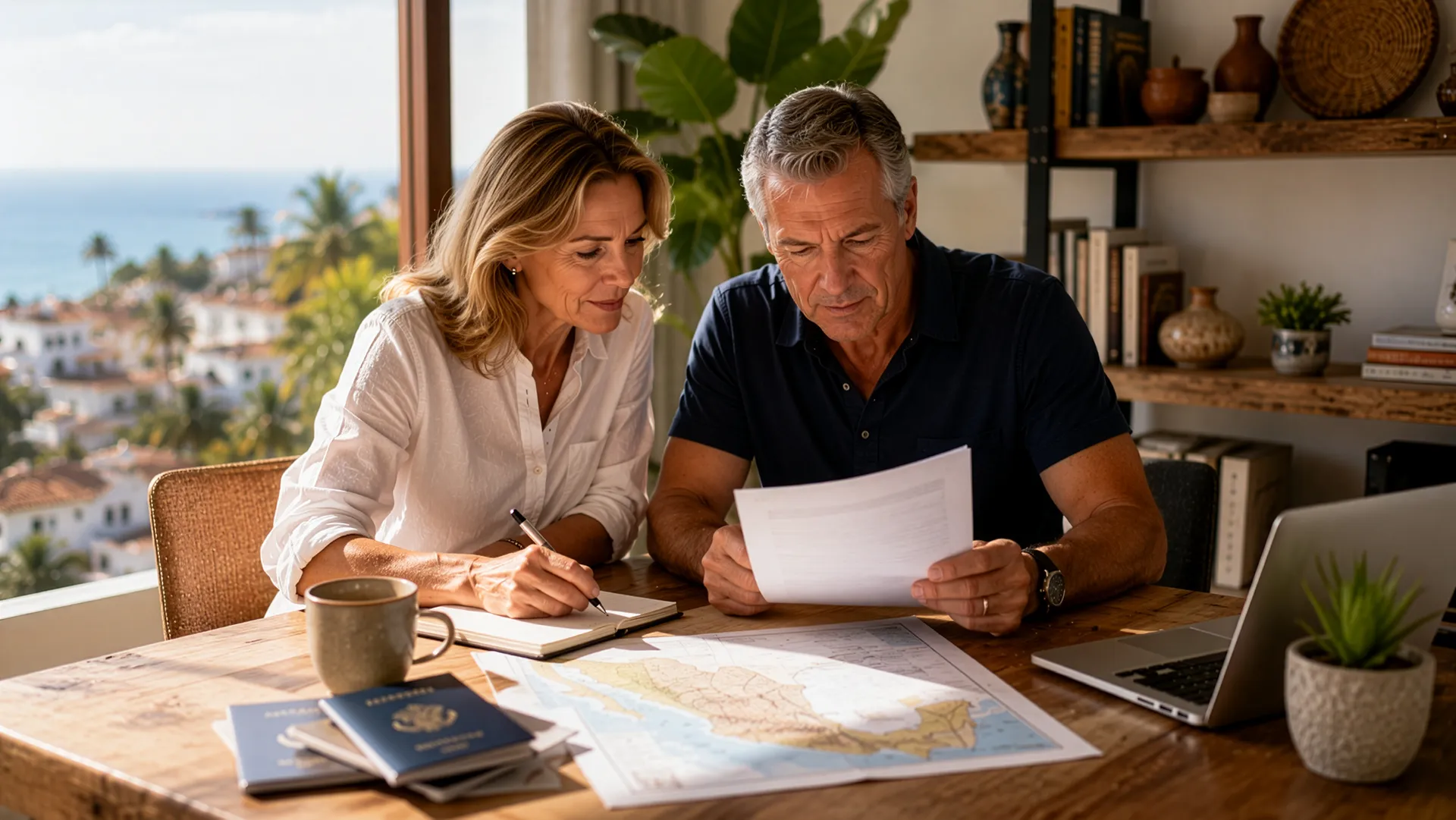
So you’ve found a condo you love in Puerto Vallarta. You can already picture the mornings on the terrace, the walks along the Malecón, the dinners in the Romantic Zone. You’re ready to move forward.
And then someone asks: “What about your residency?”
This is the question that stops a lot of buyers cold. Not because it’s impossible, people do this successfully every single week, but because the immigration system in Mexico is genuinely more nuanced than most people realize going in. I sat down with Sophia, an immigration specialist based in Mexico City who founded Immigration Pros, to get the clearest picture of what’s actually required right now.
A decade or two ago, many expats went straight to permanent residency when they moved to Mexico. That pathway has narrowed significantly. Today, permanent residency upfront is typically reserved for people who are officially retired and drawing retirement income, are over 62, or have a Mexican-born child. If that’s not your situation, you’ll likely will start with temporary residency and transition to permanent after a few years.
That’s not a problem. It’s just reality, and planning for it makes the whole process smoother.
Economic solvency is by far the most common path – about 80% of applications according to Sophia. You demonstrate that you have sufficient income or savings to support yourself in Mexico, and you apply at a Mexican consulate in your country of residence, such as USA or Canada.
Family unity is the second path: if you’re married to a Mexican national or are the parent or child of one, you have a clear route. Work visas exist for people sponsored by Mexican employers. Student visas cover enrollment in accredited Mexican institutions. And humanitarian grounds exist for special circumstances, though those processes can take 8-12 months or longer. For virtually every American or Canadian buyer I work with, economic solvency has been their path forward.
As of 2025, for temporary residency, you need to show either income of approximately $4,500 USD per month over the past six months, or an average savings balance of roughly $75,000 USD over the past twelve months. Government fees run around 11,000 pesos.
For permanent residency, the bar is higher: approximately $7,800 USD per month in income, or about $293,000 USD in average savings, and you’ll need to demonstrate retirement status. Government fees are approximately 13,000 pesos.
These numbers can shift, which is exactly why working with an immigration professional who tracks current requirements is worth every peso.
Stage one happens outside Mexico. You apply at a Mexican consulate in the country where your funds are held. For our Puerto Vallarta market, most of our international clients are from U.S. or Canada. You’ll bring bank statements, income documentation, and employment or pension verification. If you’re a remote worker, you’ll need documentation showing consistent income. The consulate reviews your application and, if approved, stamps your passport with a visa valid for 180 days.
Stage two happens in Mexico. Once you arrive, you visit the immigration office to exchange your tourist status for your actual residency card and obtain your CURP, which is Mexico’s national ID number. With a CURP, you can open a bank account, get a driver’s license, set up utilities, and actually build your life here rather than operating in a gray zone. Keep in mind, all of this information can change tomorrow. Hence, the value of working with an immigration specialist.
As of today, you do not need residency to buy property in Puerto Vallarta. Foreign buyers purchase through a fideicomiso (bank trust), which works regardless of your immigration status. But residency does simplify a lot of things: banking, healthcare enrollment, rental income registration, long-term tax planning. If you’re serious about Puerto Vallarta as a long-term base, not just a vacation property, residency is worth pursuing in parallel with your real estate purchase.
Technically, yes. Realistically, if you’re organized and patient and don’t mind the possibility of being turned away at a consulate for a missing document or a form filled out in the wrong ink color (yes, that’s a real thing), you can navigate it alone. Most buyers making a significant real estate investment find that professional guidance is worth it, not because the process is impossible, but because the downside of getting it wrong is measured in months of delay.
Email us at [email protected]. A human will answer your questions, not with a bot. And if you want a clear, no-hype look at the entire buying process before we even talk, grab your free copy of the Puerto Vallarta BUYER’S GUIDE at www.tanielchemsian.com. It covers everything from first conversation to keys to your new home in Mexico. No sign-up wall, no sales pitch…just the information you need to decide with clarity and confidence.
Email: [email protected]
Free Buyer’s Guide: www.tanielchemsian.com
Mexico: +52.322.688.7435
USA/Canada: +1 323.798.8893
"*" indicates required fields


