

I moved to Puerto Vallarta in October 2003 with a lot more enthusiasm than information. Three years later I started selling real estate here, and as of today, my team and I have guided buyers from the United States, Canada and Europe through more than 600+ closings around Banderas Bay. Almost every one of those […]
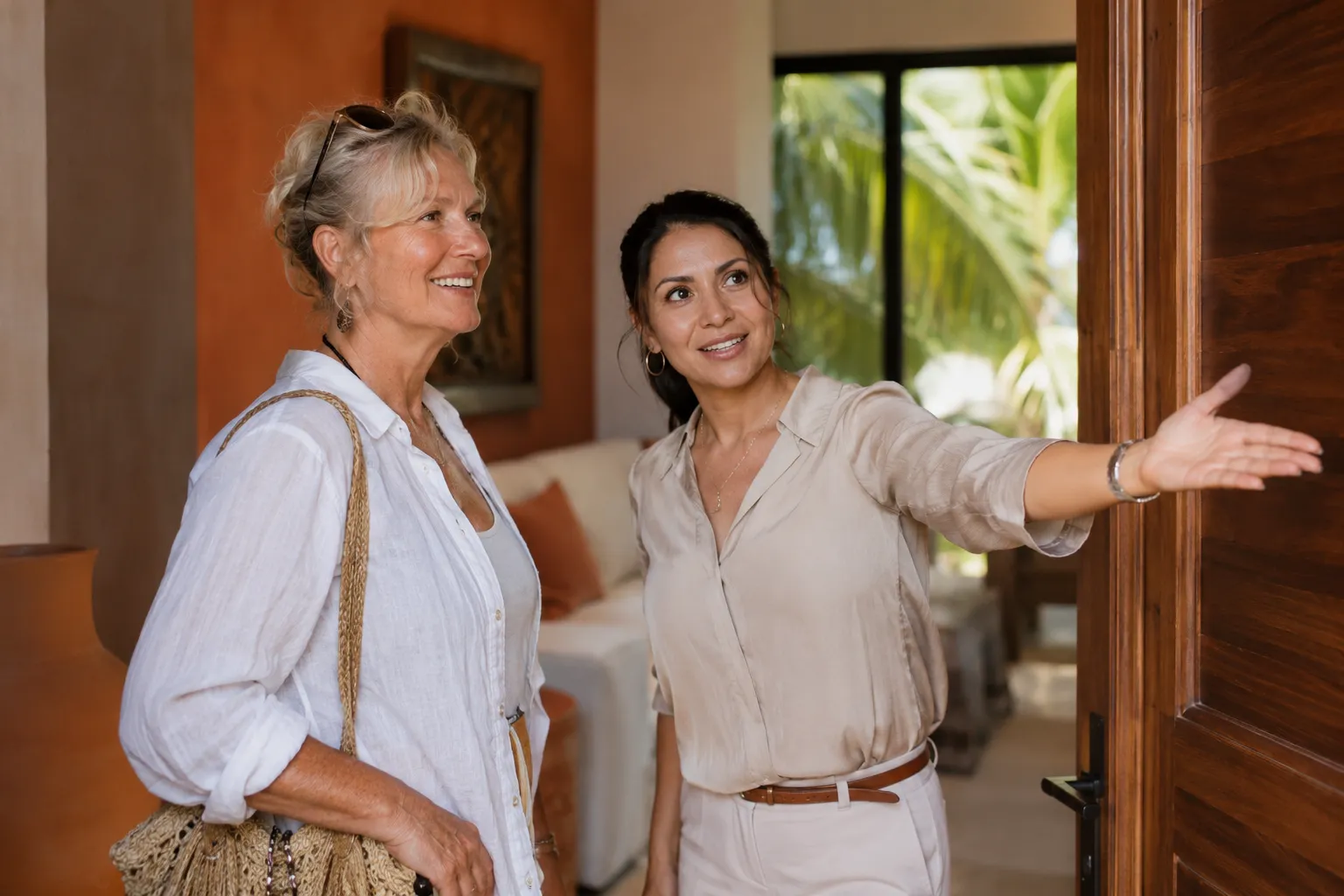
I moved to Puerto Vallarta in October 2003 with a lot more enthusiasm than information. Three years later I started selling real estate here, and as of today, my team and I have guided buyers from the United States, Canada and Europe through more than 600+ closings around Banderas Bay.
Almost every one of those buyers started in the same place. They already loved Puerto Vallarta. Many had been coming for years. What they didn’t have was a clear picture of how buying property in Mexico actually works, or someone they trusted to explain it without a sales pitch attached.
If that sounds like you, this guide is where I’d start. It covers the questions I hear most often from foreign buyers: whether you can legally own property here, how ownership works on the coast, what the purchase really costs, and how to protect yourself from beginning to end.
Let’s clear this up first, because it stops a lot of people before they start.
Puerto Vallarta sits within what Mexico calls the restricted zone, which covers land within 50 kilometers of the coast and 100 kilometers of the international borders. Foreigners can’t hold direct title to residential property in this zone. They can, however, own it through a fideicomiso, a bank trust created specifically for this purpose.
An authorized Mexican bank serves as trustee, and you are the beneficiary. You can live in the property, rent it, renovate it, sell it and name who inherits it. The trust is granted for 50 years and can be renewed. Foreign buyers have used this structure along Mexico’s coastlines for decades, and it’s the most common way people like you own a home in Puerto Vallarta.
The word sounds complicated, but owning this way is well established and legal.
Before you look at a single listing, get clear on the purpose. A winter escape, a future retirement home, a full-time residence, a rental investment and a mix of personal use and rental income all point to different properties, different buildings and sometimes entirely different parts of the bay.
I always tell buyers the same thing: start with your life, and the property will follow.
Puerto Vallarta runs from the quiet hillside homes of Conchas Chinas to the golf courses of Marina Vallarta. Cross the Ameca River heading north and you’re in the state of Nayarit, with Nuevo Vallarta, Bucerías, La Cruz and Punta Mita. That river crossing matters for more than scenery. Nayarit has its own Notarios, its own tax rates and its own public registry.
A safe purchase in Mexico depends on three professionals, and it helps to understand what each one does:
When you choose an agent, look past the glossy listings. Ask how many international closings they’ve handled, how they protect your money in transit, and what happens after your offer is accepted. That second half of the process is where experience really shows.
The list price is only part of what you’ll spend. Budget for acquisition tax (ISAI), Notario fees, the appraisal, registry fees, certificates, fideicomiso setup and permit, and legal fees. The acquisition tax and Notario fees together typically make up roughly a third to half of a buyer’s closing costs.
Before you make an offer, ask for a written estimate of your total acquisition cost.
Your agent prepares a written offer covering price, deposit, closing date, furnishings and any conditions. Price is rarely the only thing that matters in a negotiation. A flexible closing date or a well-written inspection condition can be worth as much to you as a discount.
Once the offer is accepted, a deposit is usually placed in escrow. This is the moment to be most careful with your money, which I’ll come back to below. We recommend funding escrow after all the Due Diligence/Contingencies have been removed/approved.
This is the step where the excitement needs to take a back seat. Depending on the property, due diligence may include:
A beautiful condo in a poorly run building can turn into a very different purchase than the one you thought you were making.
On closing day, you sign the deed (escritura) before the Notario, and the funds are released. If you can’t be in Puerto Vallarta, and depending on the type of transaction, you can often close through a properly prepared power of attorney or letter of no appearance. After closing, the deed is recorded at the Public Registry. The final registered deed can take several months to arrive, which is normal in Mexico.
Buyers fall in love with the property before they understand the purchase.
I understand why. You’re standing on a terrace looking at the Pacific, and suddenly the paperwork doesn’t seem very interesting. That’s exactly the moment you need someone beside you who can say, “Beautiful view. Now let’s look at the documents.”
That’s what good representation is supposed to do.
After 20 years in this business, I’ve learned that most buyers aren’t looking for someone to push them into a purchase. They want someone who will tell them the truth, even when the truth is “this may not be the right property for you.”
That belief shaped the protections we built into every transaction:
None of this makes a purchase risk-free, and no honest broker will tell you otherwise. It does mean you won’t be making an expensive decision in another country on your own.
Buying property in Puerto Vallarta should feel exciting, not stressful. You don’t need to know everything before you begin. You just need the right people explaining what you need to know, when you need to know it.
Here’s how we start:
Yes. Foreigners can own residential property in Puerto Vallarta through a fideicomiso, a Mexican bank trust that gives you the rights to use, rent, sell and pass on the property.
As of today, no. You can buy property in Puerto Vallarta as a visitor. Residency is a separate process, and our Strategic Advisory Alliance can connect you with immigration professionals if you plan to stay longer.
In many cases, yes, through a properly prepared power of attorney. Your attorney and the Notario can confirm the requirements for your transaction.
Many resale purchases close within 45 to 60 days of an accepted offer, depending on documents, permits and financing. Your agent should give you a timeline specific to your property. Depending on the seller’s trust bank and if the purchase requires a loan, the closing process can take longer. Consult with your agent and real estate attorney.
Most foreign buyers pay cash, but some cross-border lenders and developer payment plans are available. Ask early so your financing fits your closing timeline.
If you’re ready to learn how to become a homeowner in Puerto Vallarta, contacting Taniel Chemsian Properties is the right decision.
Email us at [email protected]. A human will answer your questions, not with a bot. And if you want a clear, no-hype look at the entire buying process before we even talk, grab your free copy of the Puerto Vallarta BUYER’S GUIDE at www.tanielchemsian.com. It covers everything from first conversation to keys to your new home in Mexico. No sign-up wall, no sales pitch…just the information you need to decide with clarity and confidence.
Email: [email protected]
Free BUYER’S GUIDE: https://tanielchemsian.com/buyers-guide/
Mexico: +52.322.688.7435
USA/Canada: +1 323.798.8893
"*" indicates required fields


